Unlearning frontiers: Lessons of acting within and across the heart of South America
As a transboundary actor, The Jaguar Rivers Initiative (JRI) seeks to offer a new vision of conservation in South America: one where rivers are neither barriers nor boundaries, but corridors of life for a more resilient and wilder continent. In the face of landscape fragmentation unfolding at a vertiginous speed from all fronts, we are confronted with the challenge to act not only now but together. Not only urgently but coordinately. Therefore we define ourselves as guardians of the Paraná river basin, above countries, governments, and borders.
It is extremely hard to think and plan long term in a world that seems to keep fluctuating in times of political instability. To do so is to think beyond the human and instead recalibrate to the tempo and scale of large living systems, to think of nature in itself as a whole and us as part of its integrity. Under this premise, JRI has developed a territorial strategy based on five complementary axes that ground our vision: Arks, buffer zones, stepping stones, rivers and governance.
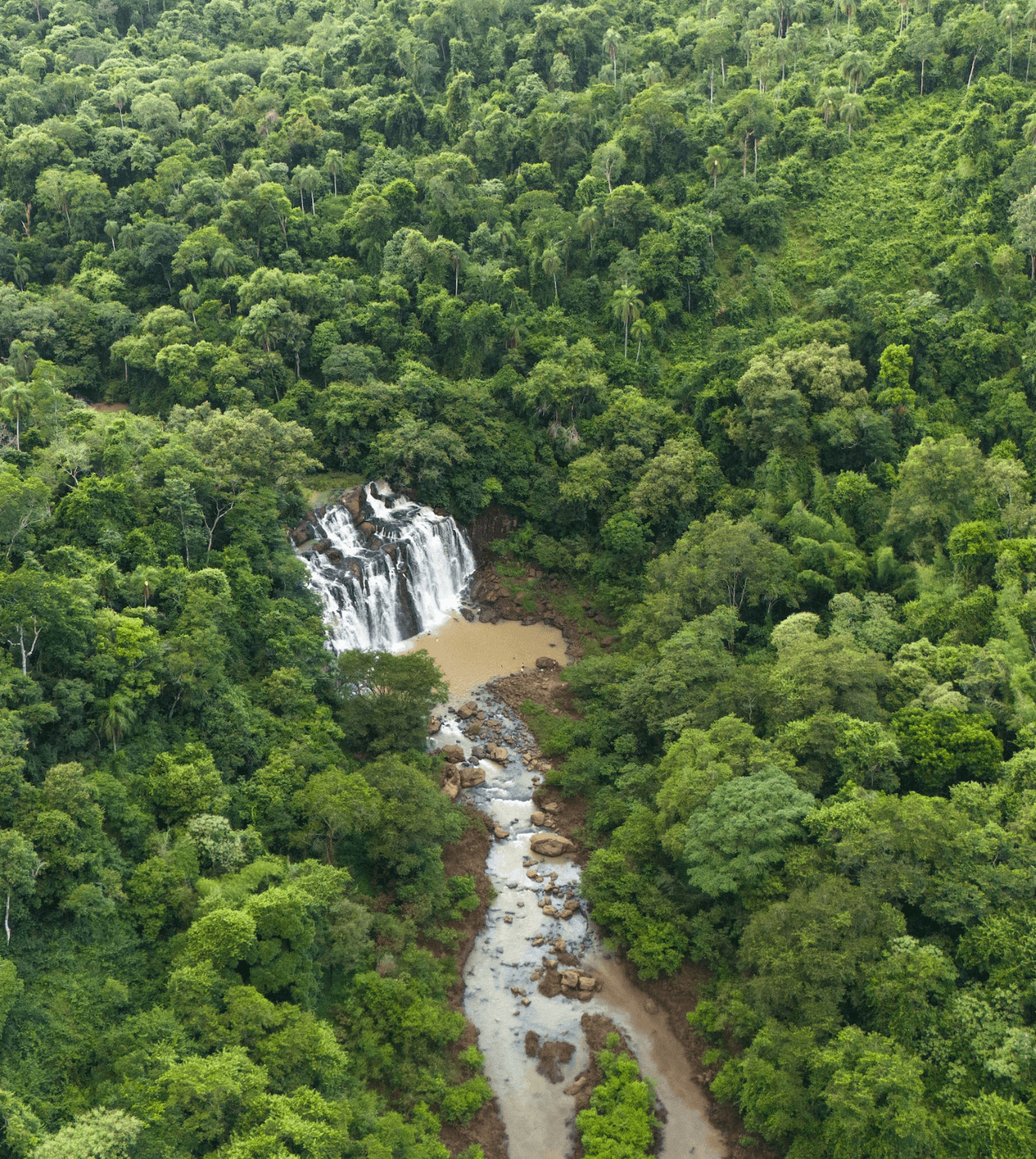
Arks are large, well-conserved areas with full ecological function that anchor biodiversity and wildlife populations, including apex predators such as the jaguar. We have detected seven main areas in the whole basin that present these qualities: Alto Pantanal, Chaco-Pantanal, Alto Bermejo, Alto Pilcomayo, El Impenetrable, Iguazú & Iberá. In other words these areas represent nature's last strongholds. Ensuring their protection is vital in order to work towards regenerating the rest of the currently degraded basin. Amongst these Arks, three are binational and one trinational: Alto Pantanal located between Brazil and Bolivia, Río Iguazú between Argentina and Brazil, Alto Bermejo between Bolivia and Argentina and Chaco-pantanal between Paraguay, Bolivia and Brazil. Consolidating these transnational Arks are the principal focus of JRI’s alliance in this initial phase.
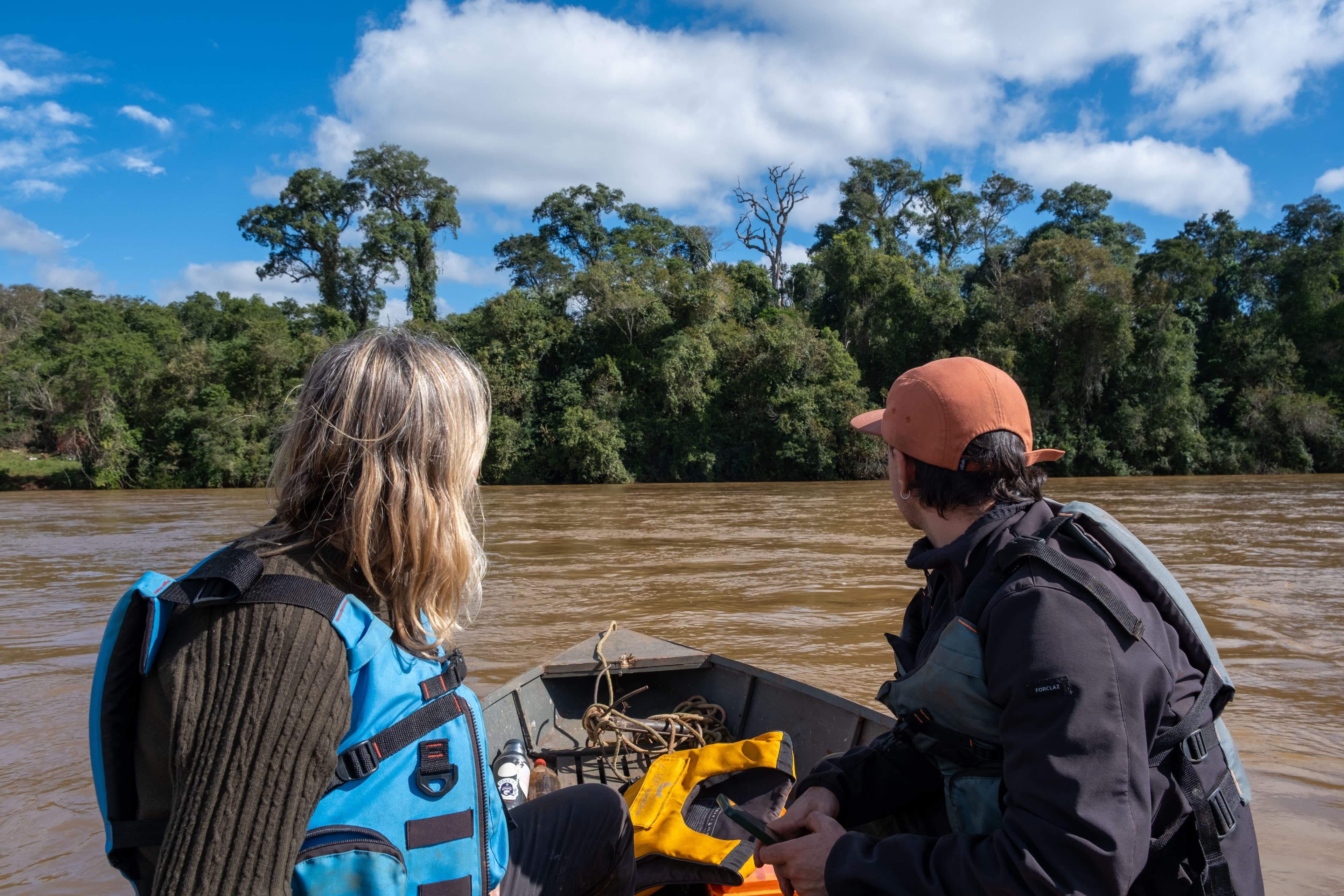
Since each territory and river connecting them has its own processes and challenges from January 22nd to February 8th the first communication field trip across the basin took place. Producers of Into the Rewild, Aurelie Miquel and Arnaud Hitzer, accompanied the communication team and other members of the JRI across various Arks in Argentina, Bolivia, and Brazil to prepare a documentary about the founding of JRI. They are the creators of the recently released documentary, Rewilding Patagonia.
“We are facing a project that, if everything goes according to plan, will continue for several centuries. Numerous contributors will follow one another to cover the entire duration of the experiment, thus achieving transgenerational transmission (...) This film bears witness to the laying of the foundation stone of the Jaguar Rivers Initiative.” — Aurelie Miquel and Arnaud Hitzer
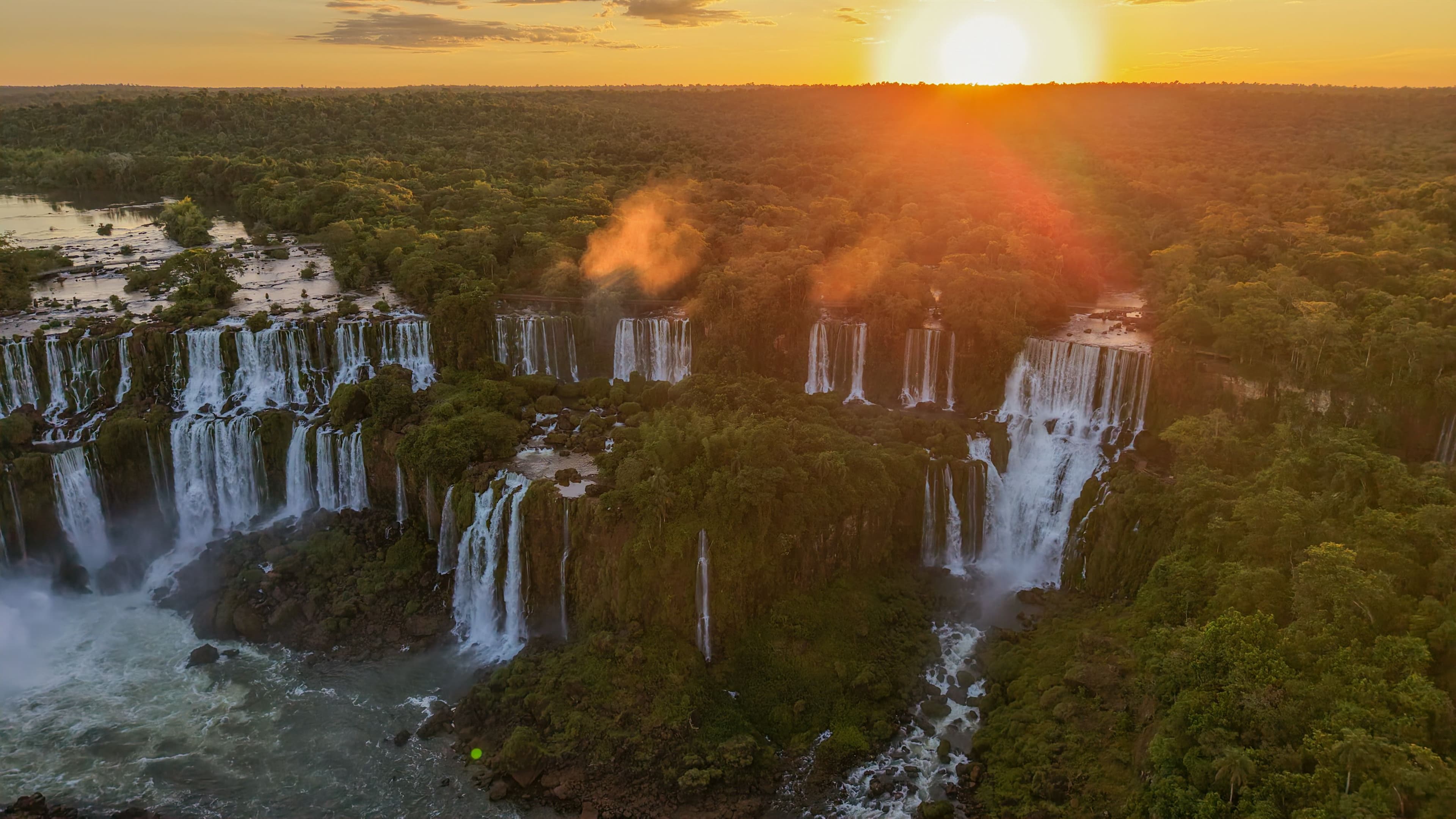
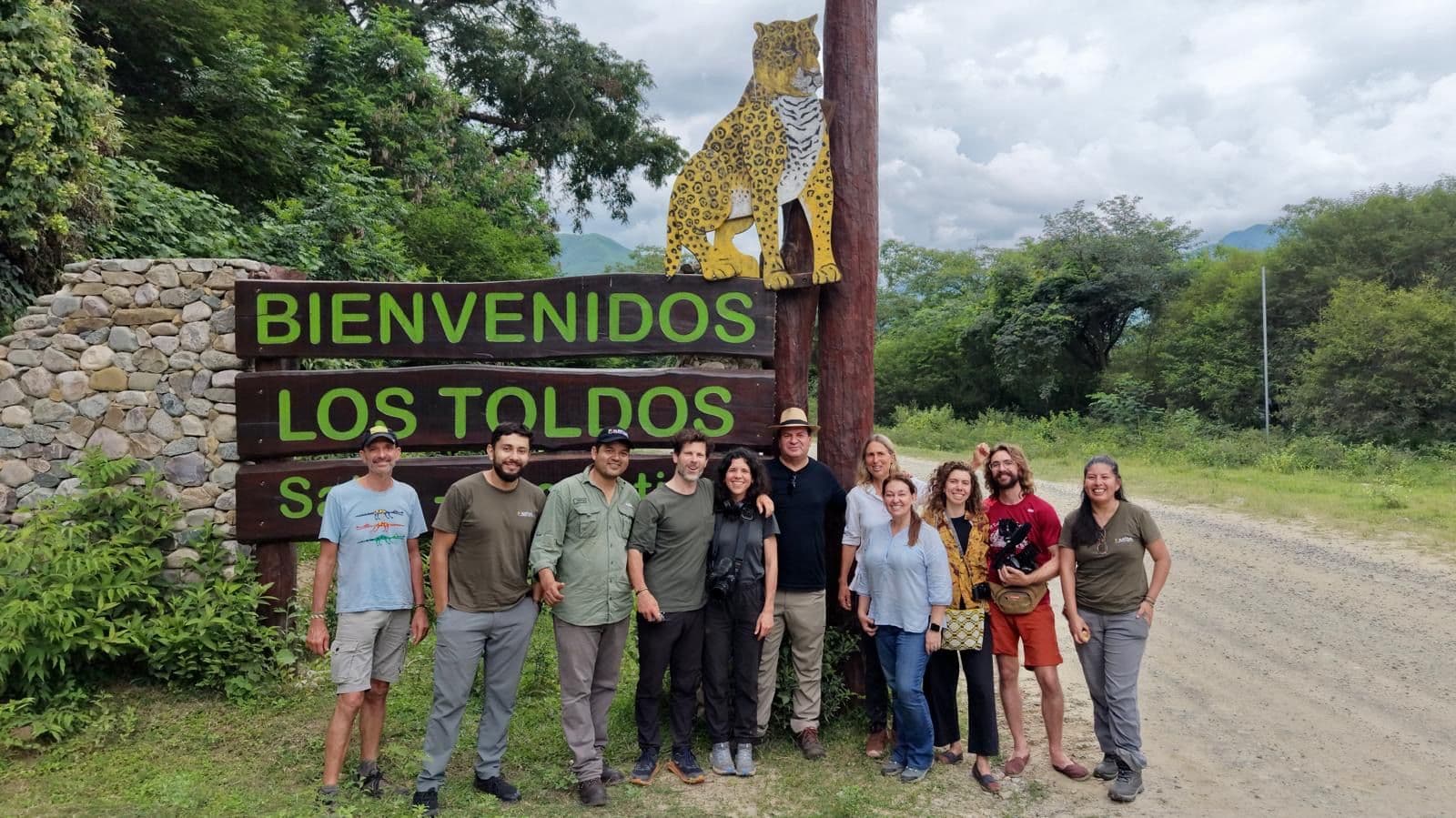
The trip began in Iguazu, with a visit to Rewilding Argentina's new property, continued in Santa Teresa and Tacuarí with Onçafari in the Brazilian Pantanal, crossed into Bolivia, visited Ñembi Guasu with Nativa (part of the Chaco-Pantanal Ark), and concluded at the binational Ark Alto Bermejo, with Nativa and Rewilding Argentina.
In addition to all the photographic and video material produced, the trip was a great opportunity to bring the four organizations together. On the 1st of February, representatives from the four founding organizations met in the heart of Pantanal, and as they set off to what was intended as a casual stroll to one of Santa Teresa’s lagoons resulted in one the most symbolic moments of the initiative: the group was greeting by their first and close encounter with a wild jaguar.
Complementing the territorial strategy, the past month working together revealed the need to develop transversal infrastructures for shared support and common use. One of the milestones achieved has been the conformation of the Iberá school for training the next generation of conservation leader and the ideation of the Jaguar Rivers Watch, functioning as an Early Warning System.
The school is a practical and theoretical training focused on developing leadership in conservation, ecological restoration, and Nature Production in South America.The School's approach is based on the Nature Production model, a comprehensive production format that integrates four strategic pillars: Parks, Wildlife, Regenerative Economy and Communities. Within this framework, Escuela Iberá aims to train leaders and teams capable of managing these four pillars in an integrated manner, understanding that socio-environmental transformation is a consequence of strategic, sustained, and territorially scaled conservation processes. To kick things off on March 25th, the call for applications for the Feline Capture course has been launched in Paraguay and Bolivia and will take place in May 2026. This is where the future takes root!
The Jaguar Rivers Watch (JRW) is a science-based monitoring system designed to understand and protect the health of the Paraná Basin. Monitoring allows us to measure change over time, detect emerging threats, and ensure that restoration efforts are truly strengthening the territory and communities. By combining technology, fieldwork, and local knowledge, we are building a shared tool to track ecological integrity and community well being across four countries. Furthermore, by making data public and transparent, JRW strengthens accountability, guides adaptive management, and supports decision-making across borders. This is how science, territory, and shared responsibility come together to create a tool for the commons and a network of river guardians. For this end JRI team member Belen Comotto traveled in February to Lima, Peru to participate in the Pre-ICTC EarthRanger Training Workshop, in the context of the Global Conservation Technology Conference 2026. The workshop was an incredible opportunity to dive into EarthRanger, a platform designed to centralize and visualize conservation data in real time, integrating information from wildlife tracking, satellite imagery, patrol reports, environmental sensors and more to support decision-making in protected areas.
FROM VISION TO ACTION: THE JRI TEAM GROWS
With the scale of the efforts comes also the need to grow, and so amongst the four executive directors of the initiative a Protection and Restoration Committee of the Jaguar Rivers Initiative has been established. We are excited to welcome three new team members dedicated to turning vision into reality!
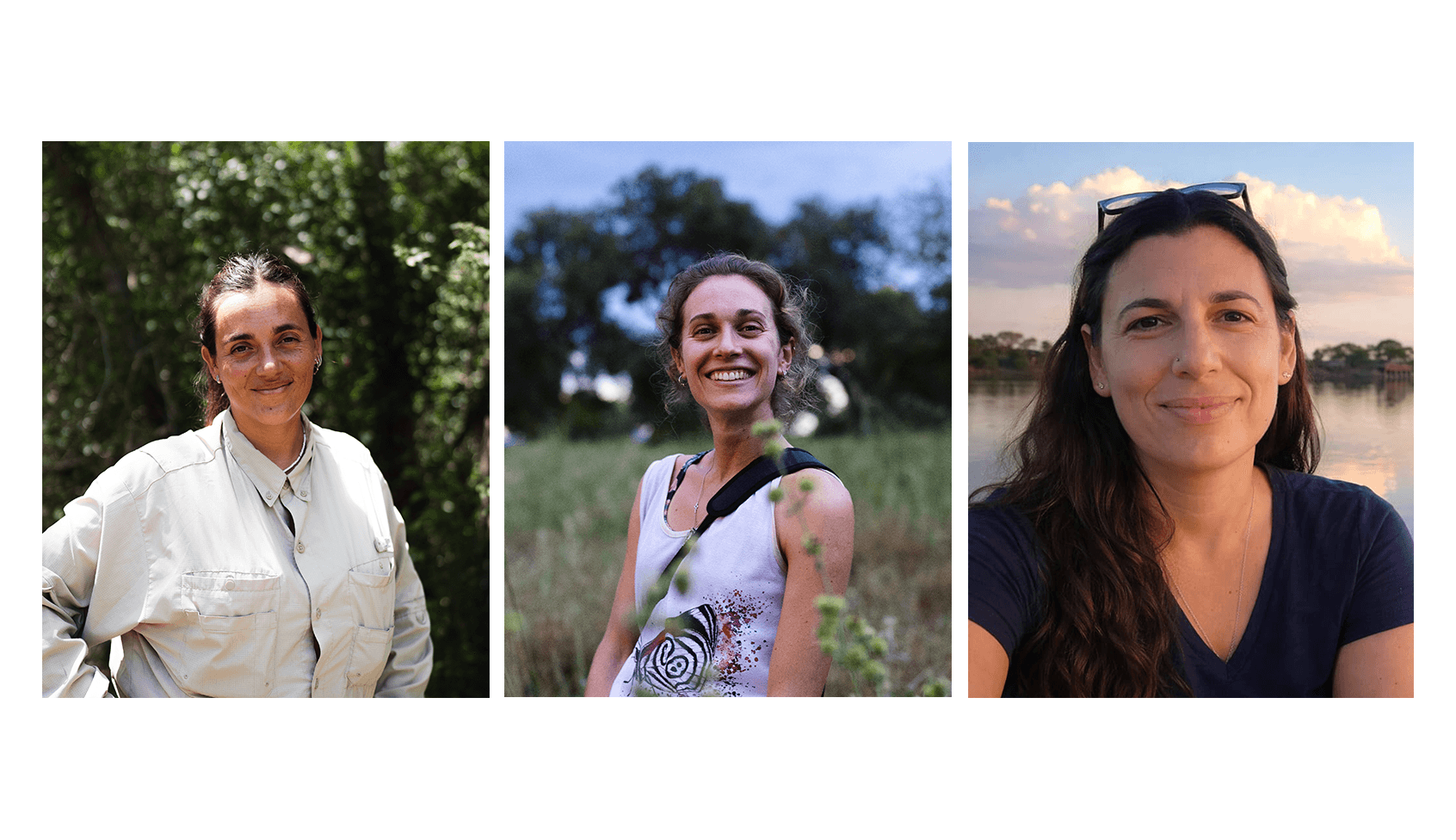
Juliana Mercau joins the initiative as General Coordinator of the Jaguar Rivers Initiative, where she leads the strategic planning and implementation of annual action plans, with a strong focus on results and impact. Her role has a distinct regional coordination component: she acts as a key bridge between the Initiative’s committees and its partner organizations, fostering dialogue, effective communication, and strategic alignment across diverse stakeholders. Drawing on her background, she brings an integrative perspective that supports consensus-building and strengthens collective action. She oversees the progress of action plans, advances monitoring and evaluation processes, and proactively identifies challenges and opportunities for improvement, contributing to informed and strategic decision-making.
Natalia Rodriguez takes part in the initiative as hydrologist. Natalia holds a PhD in Biological Sciences from the Universidad de Buenos Aires and her work focuses on the study of the rivers that integrate the Paraná River basin, gathering and generating data to evaluate their hydrological condition, water quality, biodiversity, main threats, and projected changes under different climate change scenarios. Based on this, she contributes to the identification of priority sites for conservation and restoration, in ongoing dialogue with local stakeholders. Her overarching goal is to ensure that rivers and their floodplains function as effective biodiversity corridors: dynamic systems through which water, wildlife, seeds, sediments, nutrients, and culture can move freely.
Yamila Barasch serves as GIS Administrator for the Jaguar Rivers Initiative, where she contributes to the delineation and mapping of the ecological corridor across the Paraná River basin. Her work focuses on the generation and management of geospatial information, integrating satellite imagery and spatial data to characterize the territory, land use, and key threats. She also works in coordination with partner organizations in Paraguay, Brazil, and Bolivia, ensuring the consistency and accessibility of data through shared platforms such as ArcGIS Online. Through her work, she contributes to the identification of priority areas for conservation and restoration, strengthening evidence-based decision-making and ecological connectivity across the basin.
NEW FRONTIERS: EXPLORING PARAGUAY’S POTENTIAL WILDLIFE CORRIDORS
During March, JRI highlights a significant conservation milestone in Paraguay, with a key development in the Metropolitan Area of Asunción related to the protection of the Aguapey Natural Reserve. A historic agreement was signed to protect a strategic ecosystem within the Lake Ypacaraí basin (part of the Paraná Basin), formalizing the donation of 1,313 hectares by Antonio and Diane Espinoza to a partnership between Fundación Moisés Bertoni and the Museum of Sciences (MUCI). This marks the beginning of a new phase of conservation management, integrating private commitment with environmental protection and education efforts. Aguapey stands out not only for its biodiversity value but also as a space that connects communities with nature and scientific knowledge.
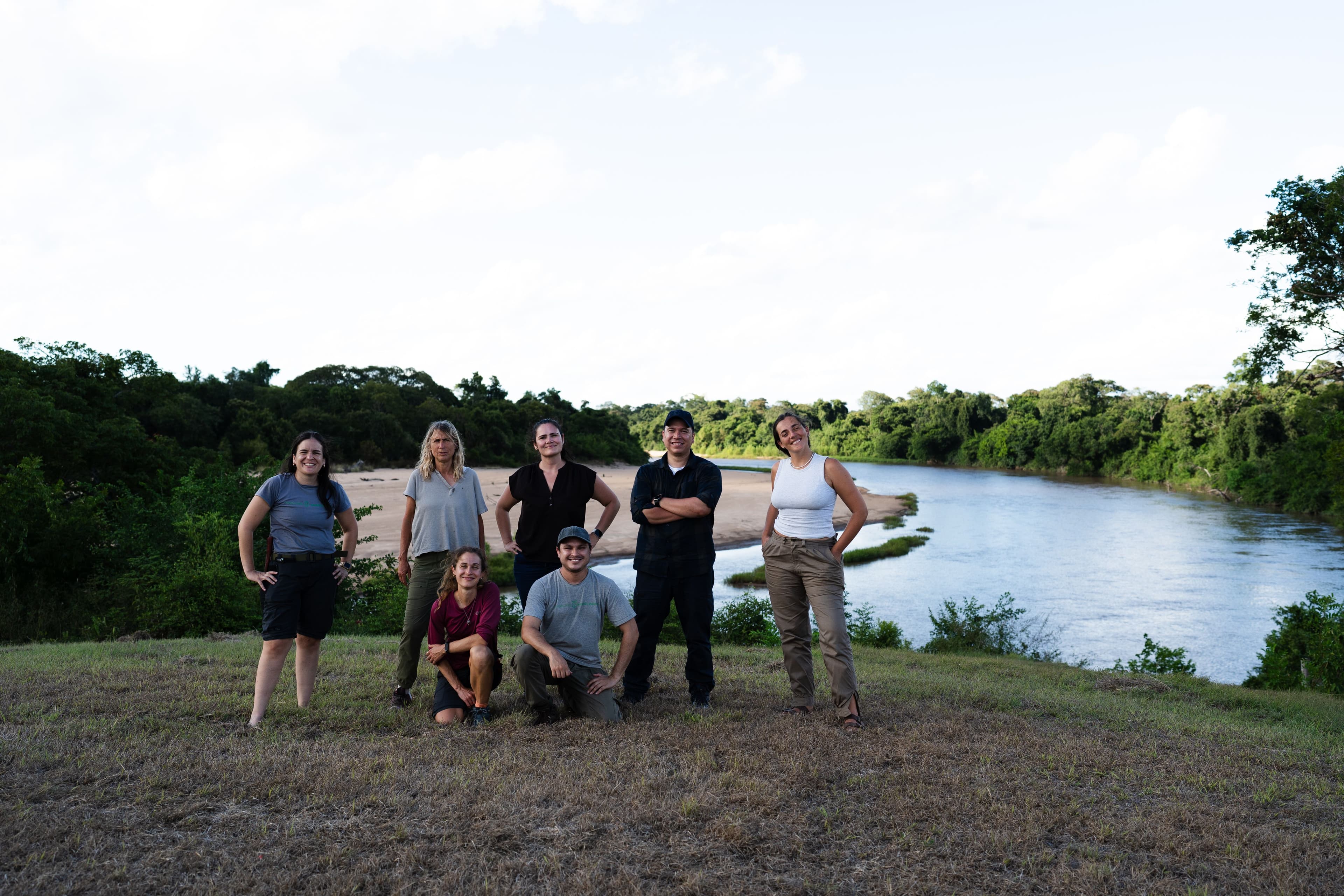
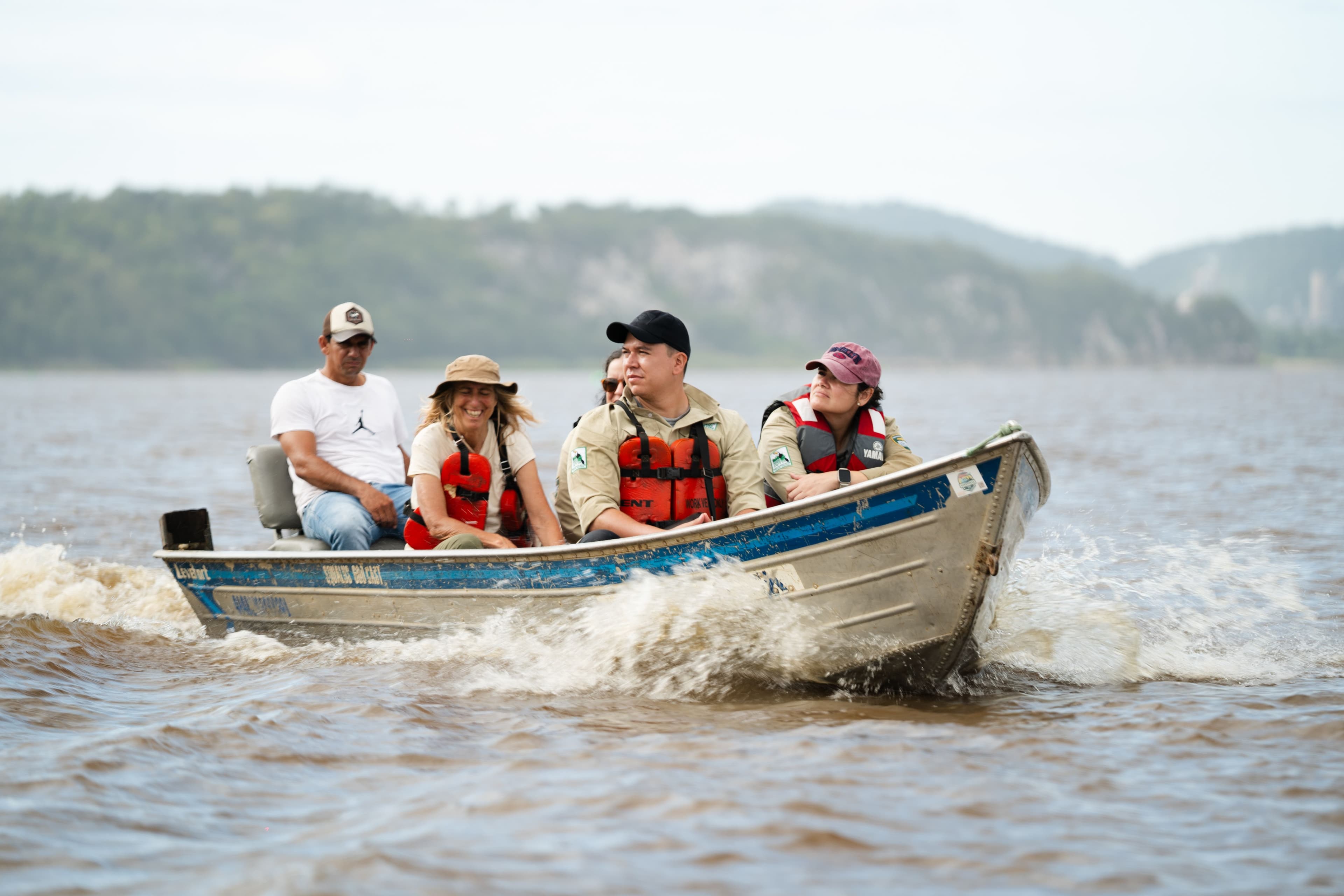
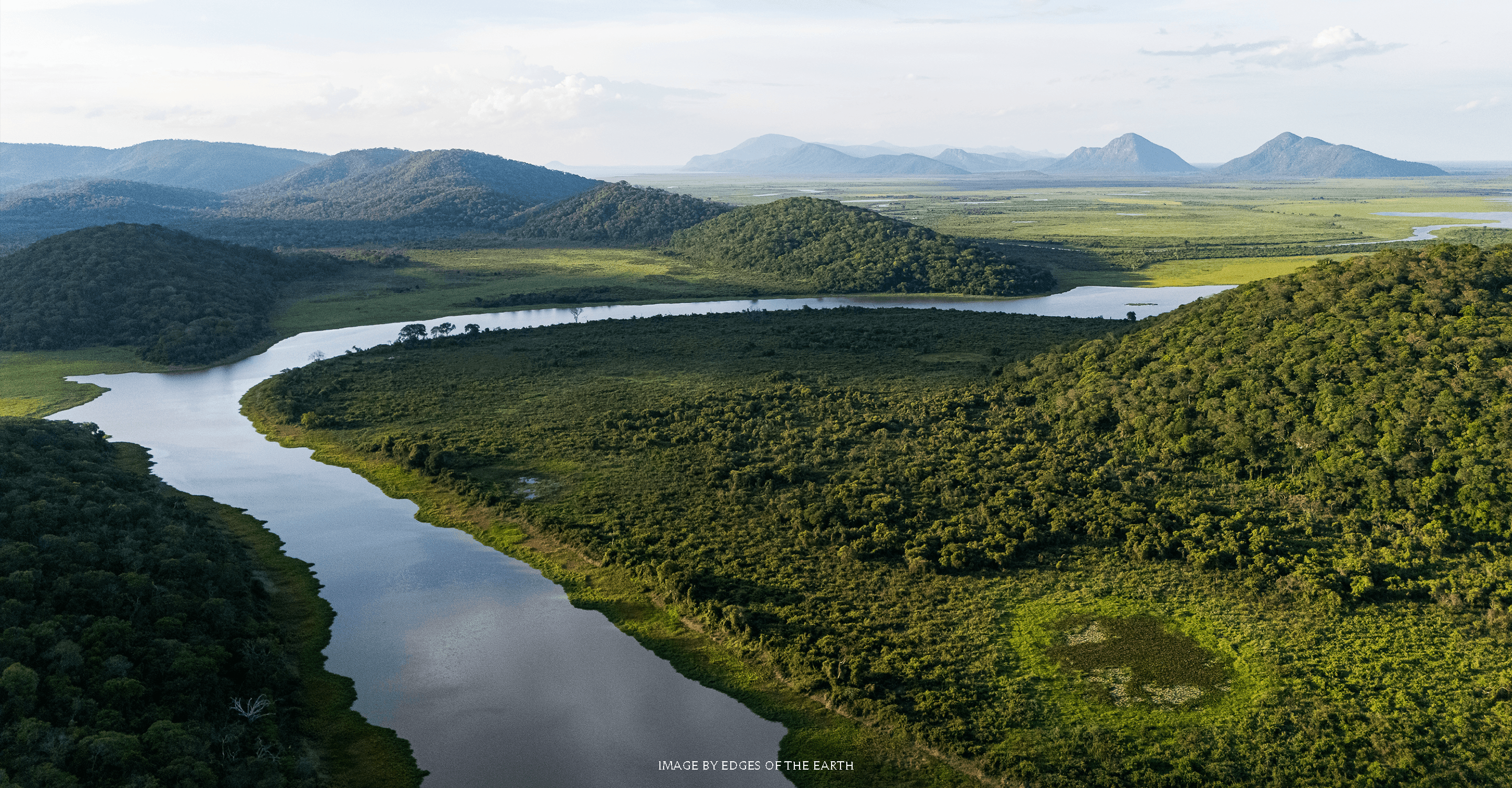
The same month, team members of the JRI, Rewilding Argentina and Fundación Moises Bertoni planned a field trip across Paraguay with the main objective of identifying potential strategic milestones or stepping stones for the JRI. Initially the plan was to reach Tres Gigantes, a key location in the triple frontier area of the Chaco-Pantanal Ark. Due to weather conditions, the visit had to be postponed. However, the new location also sounded very promising. The Apa River is an imposing territory with the Cerrado hills framing the horizon. The river is a vital source for enormous biodiversity, including species such as the tapir, the maned wolf, the jaguar, and the pumas. It also serves as a natural border between Paraguay and Brazil and flows into the Paraguay River. Undeniably an area that holds an incredible potential of becoming a binational reserve and a key point for conservation in the basin.
FROM THE PARANÁ TO THE WORLD & BACK: SOME HIGHLIGHTS OF JRI INTERNATIONAL APPEARANCES
Over the past months, Jaguar Rivers Initiative has reached key milestones in conservation, technology, and international collaboration, participating in global platforms that strengthen and amplify our work on the ground.
20. 01:
Mario Haberfeld was recognized as one of the 21 pioneering leaders at the Schwab Foundation Awards 2026 and received the title of Social Innovator of the Year in Davos, during the Annual Meeting of the World Economic Forum. During his speech, Mario presented Onçafari’s strategies and the expansion of its work beyond Brazil’s borders through the Jaguar Rivers Initiative.
Among the awardees, Mario is the only Brazilian selected, and Onçafari is the only organization with an environmental focus to join the 2026 community—an acknowledgment that reinforces the importance of Brazilian biodiversity conservation in the global debate.
11.03
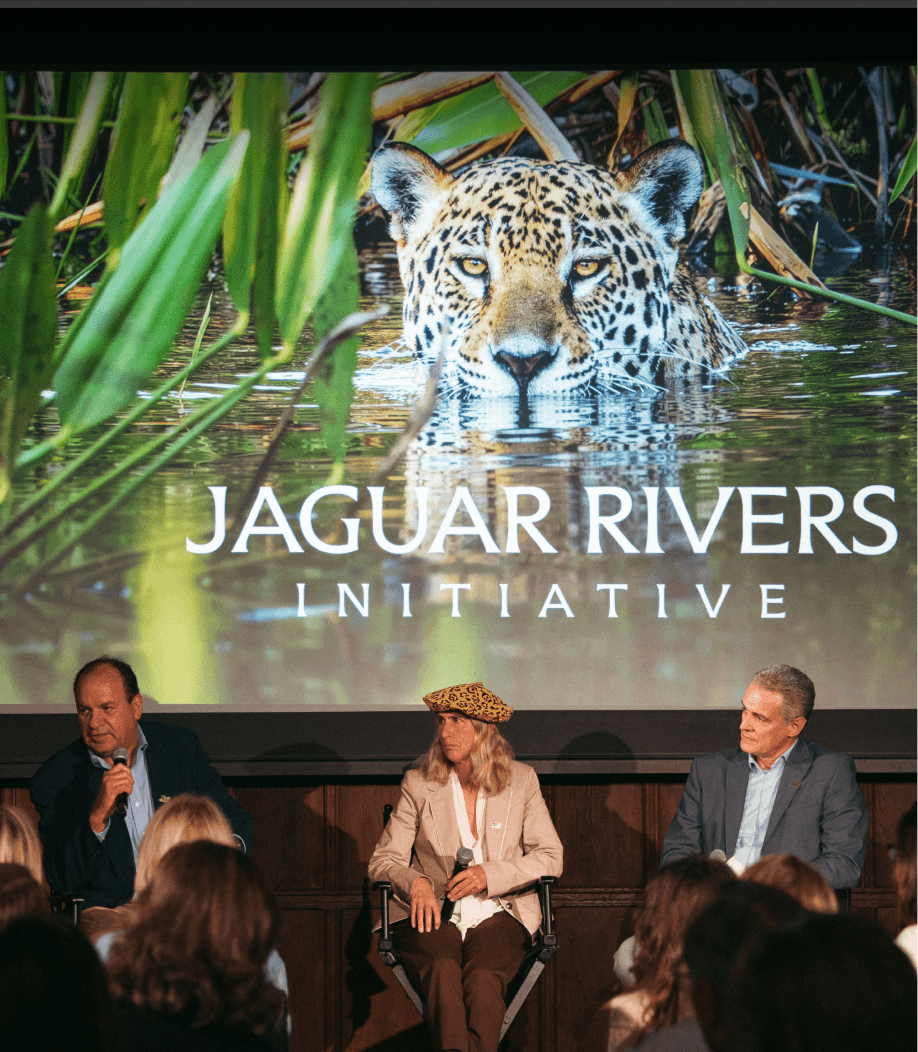
Deli Saavedra, former director of JRI, joined the "REWILDING THE WORLD" podcast with Ben Goldsmith. A conversation on restoring ecosystems, coexistence, and the future of conservation, positioning the jaguar as both a symbol of urgency and ecological balance.
13.03
Camila Chebez, communication director of JRI, took part of the panel hosted by Heidi news's journalist Fabrice Delaye at the FIFDH International Film Festival and Forum on Human Rights in Geneva (CH). Under the premise that since the sixth mass extinction is driven by human activity humans therefore bear responsibility for repair, the round table “Returning to the wild to save humanity?" shed light on how across the world ecosystems are being rebuilt, helping plant and animal life recover while also improving living conditions for local populations. Camila alongside guest speakers Zafer Kızılkaya (from the Mediterranean Conservation Society), Marta Calix (Head of Ecological Restoration at Rewilding Portugal), Lionel Cavin (curator of the Department of Geology and Paleontology at the Muséum d'histoire naturelle de Genève) exchanged how scientists and practitioners are moving beyond conservation to restore ecosystems by reintroducing species.

17.03
JRI is one of the 2026' S GLOBAL VISION AWARD WINNERS by Travel + Leisure magazine. From conservation initiatives to community-led programs, these awards spotlight those creating real impact; protecting ecosystems, empowering local communities, and shaping a more responsible future for tourism.
“We have recently gone across borders (...)Together we are trying to reconnect habitats in the second largest basin in South America. But conservation can't be done alone. So we need committed partners and supporters. I invite you all to join our efforts” — Mario Haberfeld, founder of Onçafari
This journey would not be possible without our partnerships, which drive us from the field and give meaning to every step. We thank you as well dear reader, for jumping in with us and being part of the current! This is just the beginning…
From the Paraná basin,
With care