Working Beyond Borders: reimagining the integrity of a territory through rivers
Standing at each side of the Bermejo, Pilcomayo, Paraguay, Iguazú and Paraná shores, rivers remind us that nothing works in isolation. What happens upstream ripples downstream. Acting as living threads, rivers urge us to build new transboundary partnerships in these arduous times of climate breakdown and extinction crisis; guiding us in the effort of weaving ecosystems and communities back together.
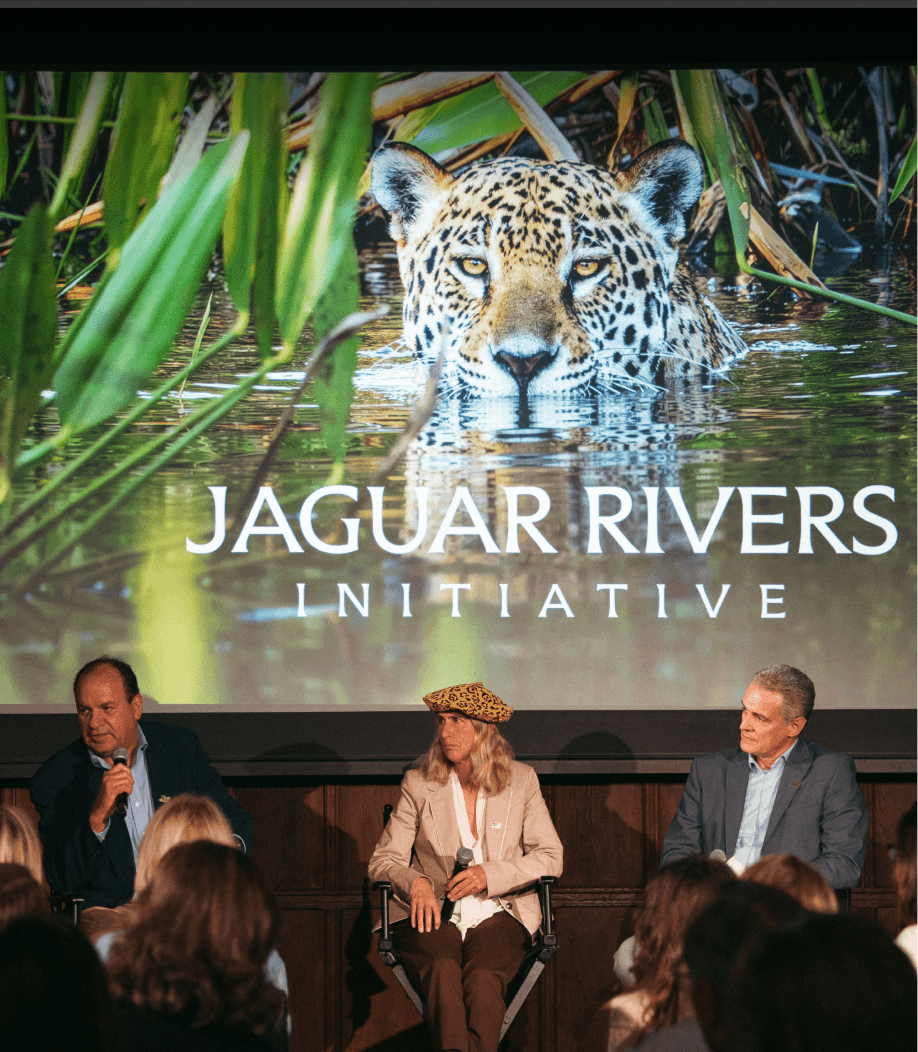
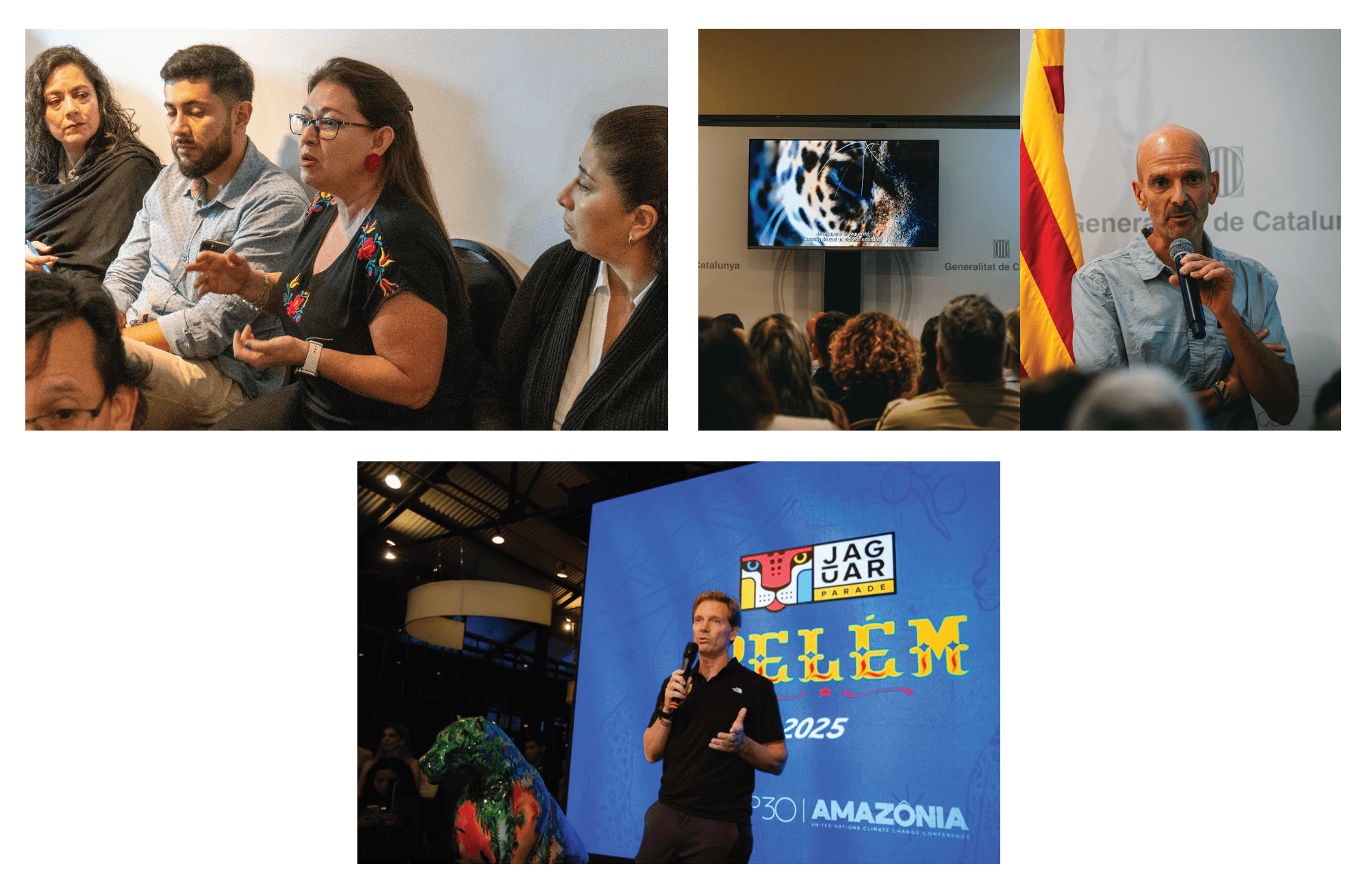
As the year comes to an end, this moment marks three months since the audacious launch of the Jaguar Rivers Initiative amongst the busy streets of New York City during Climate Week. What took place in The Explorer Club was the birth of an unprecedented alliance between Nativa(Bolivia), Fundacion Moises Bertoni (Paraguay), Onçafari (Brazil) and Rewilding Argentina. Four grassroots NGOs committed to protect and restore connectivity across the great territory of the Paraná Basin.
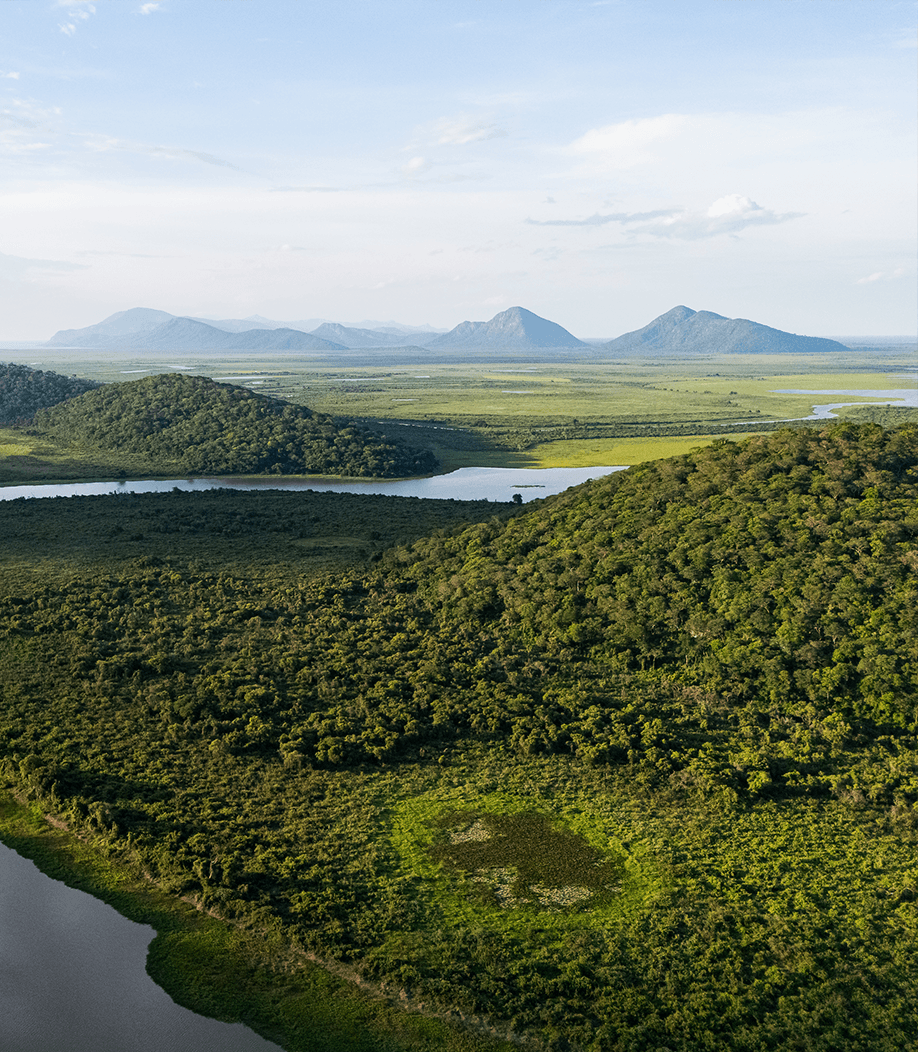
From the Andes to the lowlands, The Paraná River Basin presents a complex but rich geography where the Yungas, the Great Chaco, the Pantanal and the Atlantic rainforest converge. Composed of five main rivers that mark the frontiers of four different nations, this vast living tapestry is shared by Bolivia, Paraguay, Brazil & Argentina. Yet today river systems across the Paraná Basin are collapsing due to pollution, extraction, dams, and deforestation. Given this dire scenario, now increasingly exacerbated by the effects of global warming, the main and most urgent challenge consists of reimagining the integrity of a territory under the strain of man-made boundaries.
NEW CONSERVATION PROGRAMS ACROSS KEY BINATIONAL LOCATIONS: THE ALTO IGUAZÚ & THE ALTO BERMEJO ARKS.
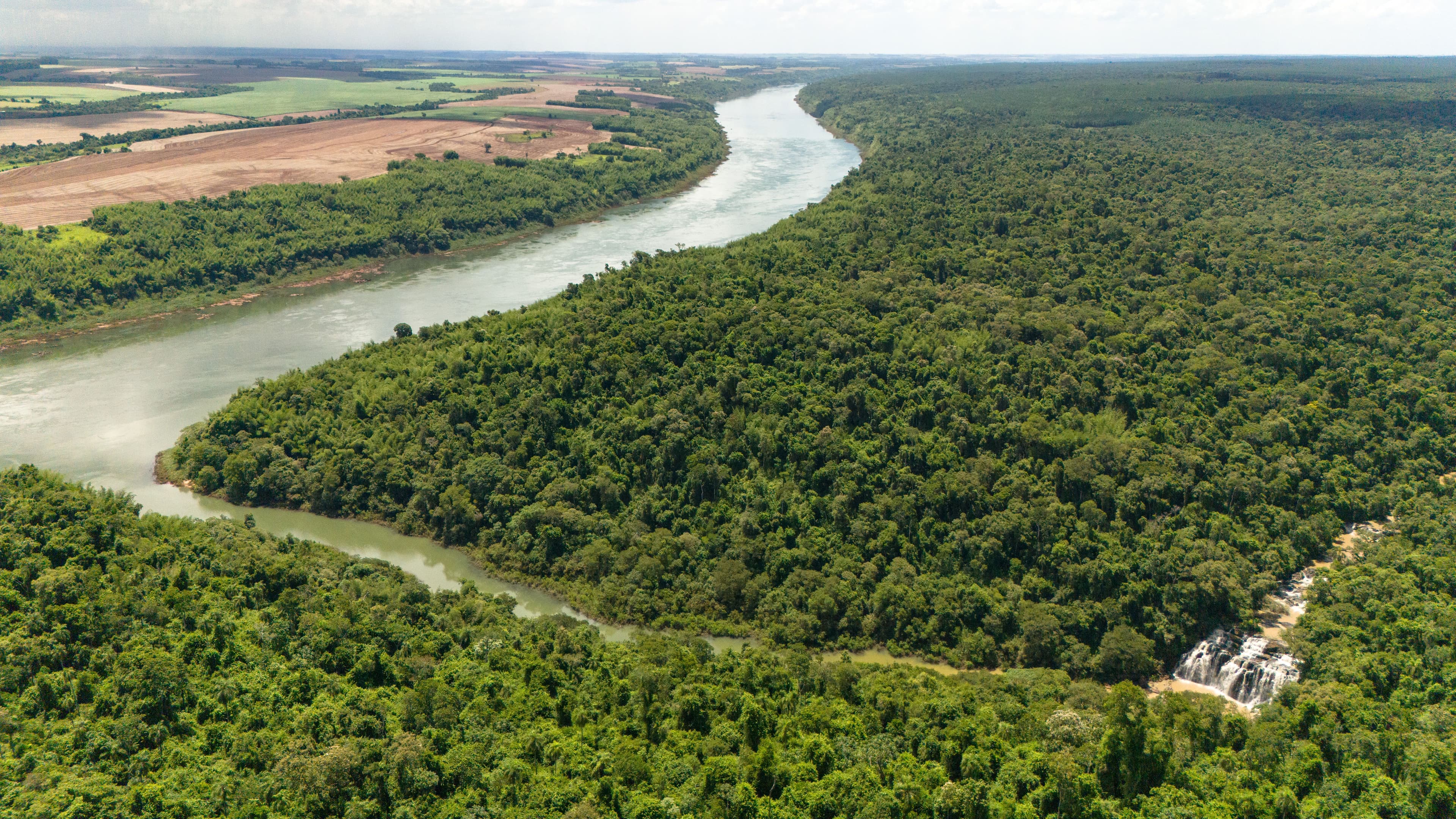
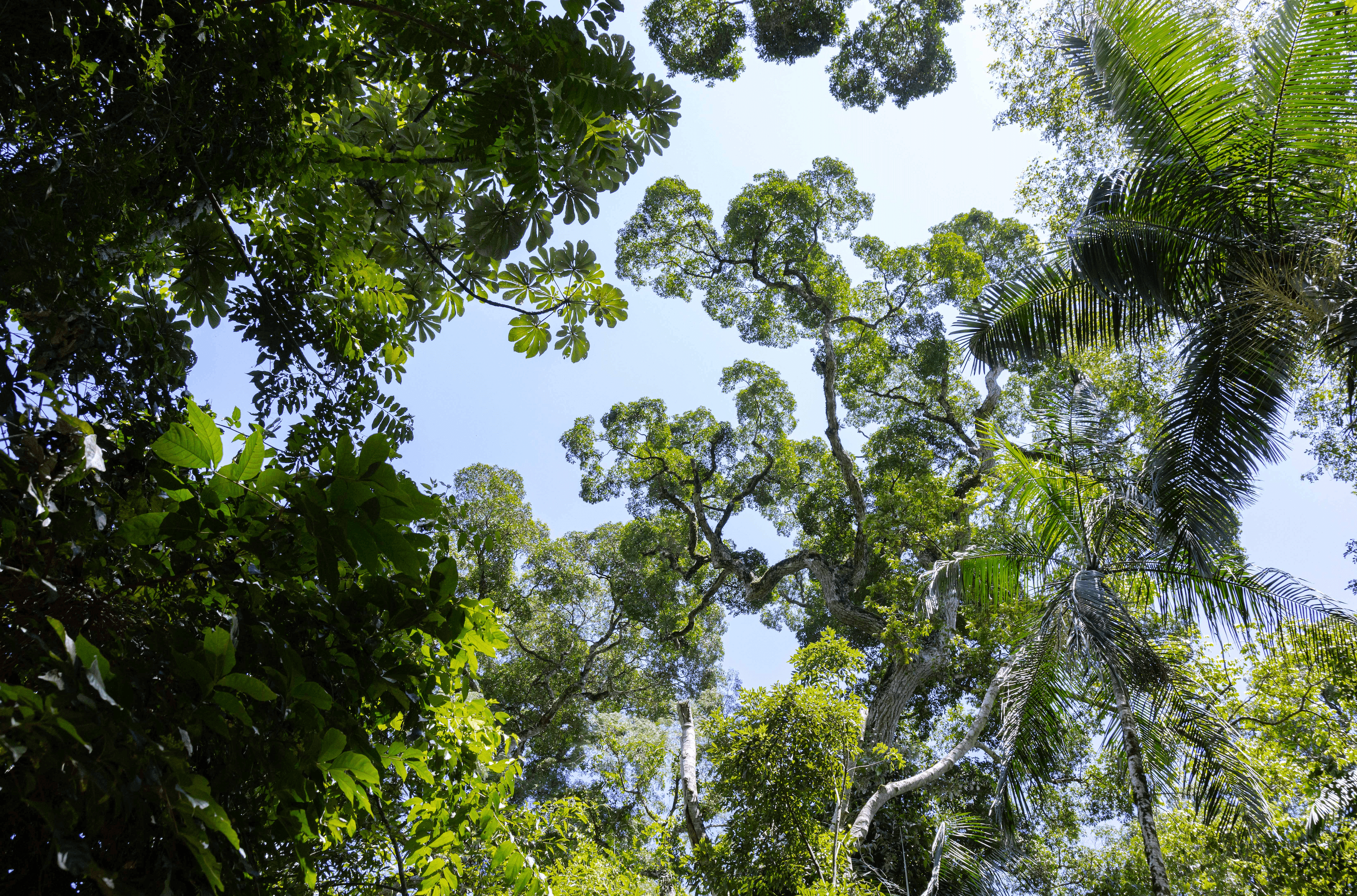
A wild thick forest; roamed by jaguars and flanked by the roaring waters of the Iguazú River: this is the setting for Rewilding Argentina 's new project. The Alto Iguazú Ark holds the vision of ensuring a functional ecosystem through the protection of its umbrella species, the yaguareté (“the true beast,” as the native Guaraní call jaguars). Made possible by the collaboration of the Elzéard Foundation and the World Land Trust, this marks a big step towards the conservation of this feline species in northern Argentina and across the mighty river that connects the Andresito Peninsula in Misiones to Brazil with our strategic partner, Onçafari.
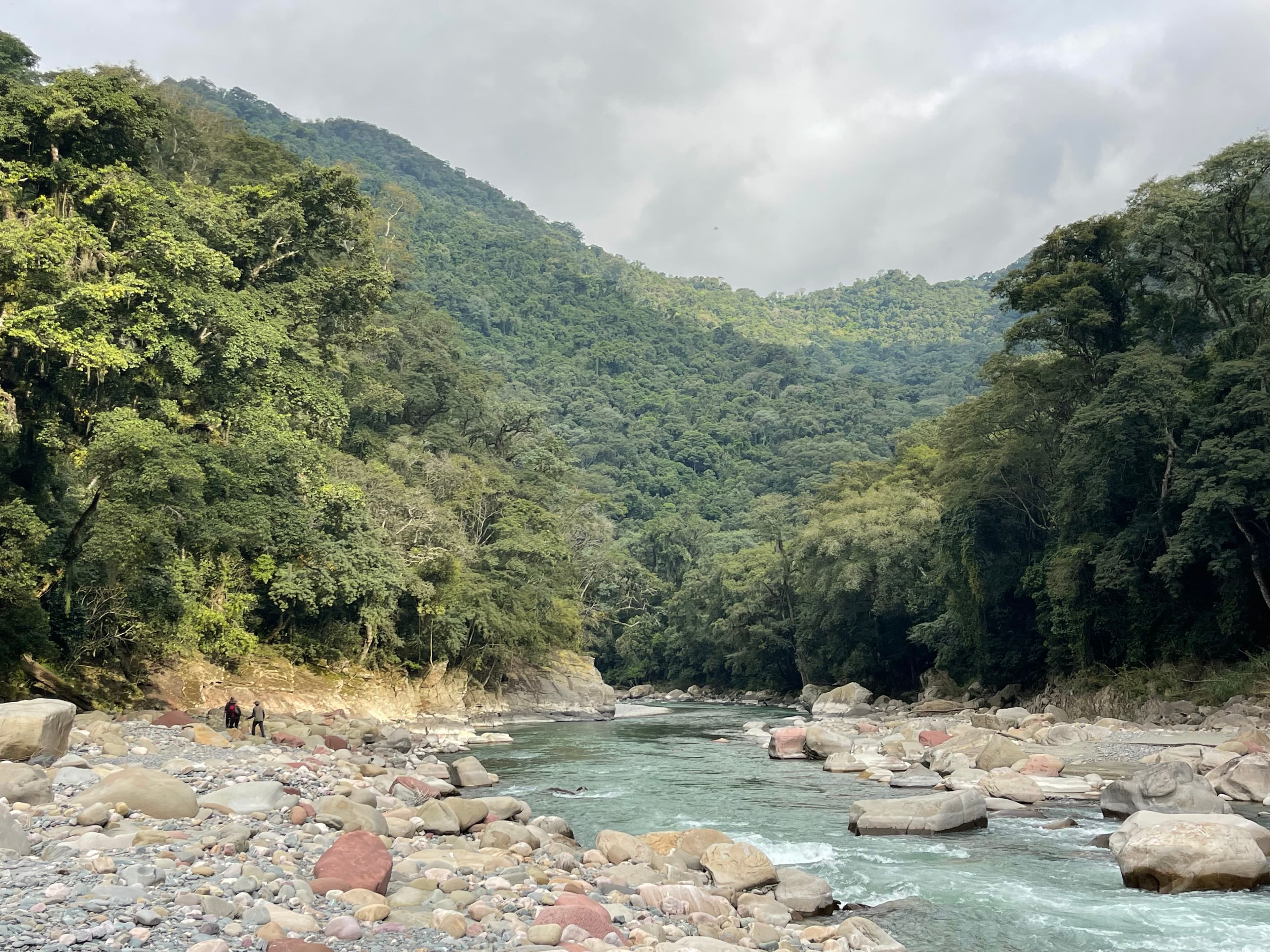
At the opposite end of the continent in the West, the Yungas or cloud forest condenses the mist into streams, birthing rivers. The Alto Bermejo Ark is an area between Argentina and Bolivia that has become a critical refuge for the jaguar. With the Freyja Foundation, an initial seed fund has been granted to Nativa signaling the beginning of a transboundary collaboration with Rewilding Argentina at both sides of the Bermejo river. These milestones propel us toward a vision of large-scale conservation in the heart of South America: The Jaguar Rivers.
THE TRAGIC CASE OF ACAÍ’S DEATH: PUBLIC REACTION OFFERS HOPE FOR JAGUARS IN ARGENTINA & BEYOND.
Even though we are still mourning the disappearance/death of Acaí, a female specimen that was part of Rewilding Argentina’s reintroduction program in the province of Chaco, the public upheaval it provoked proves that the species is important for Argentinians, and this kind of episode draws massive attention. All major media outlets reported on Acaí’s presumed death, and social media exploded.
There is still no news about those responsible for what appears to be a hunting episode. However, Parques Nacionales issued a report estimating the economic cost of the environmental damage caused by the loss of this species, which is a Natural Monument at the national level. The report valued the cost at 2,673,280,260 pesos (approximately 1,860,970 USD). The institution also announced that the public prosecutor’s office is offering a reward of 250 million pesos (approximately 174,000 USD) for information about the incident.
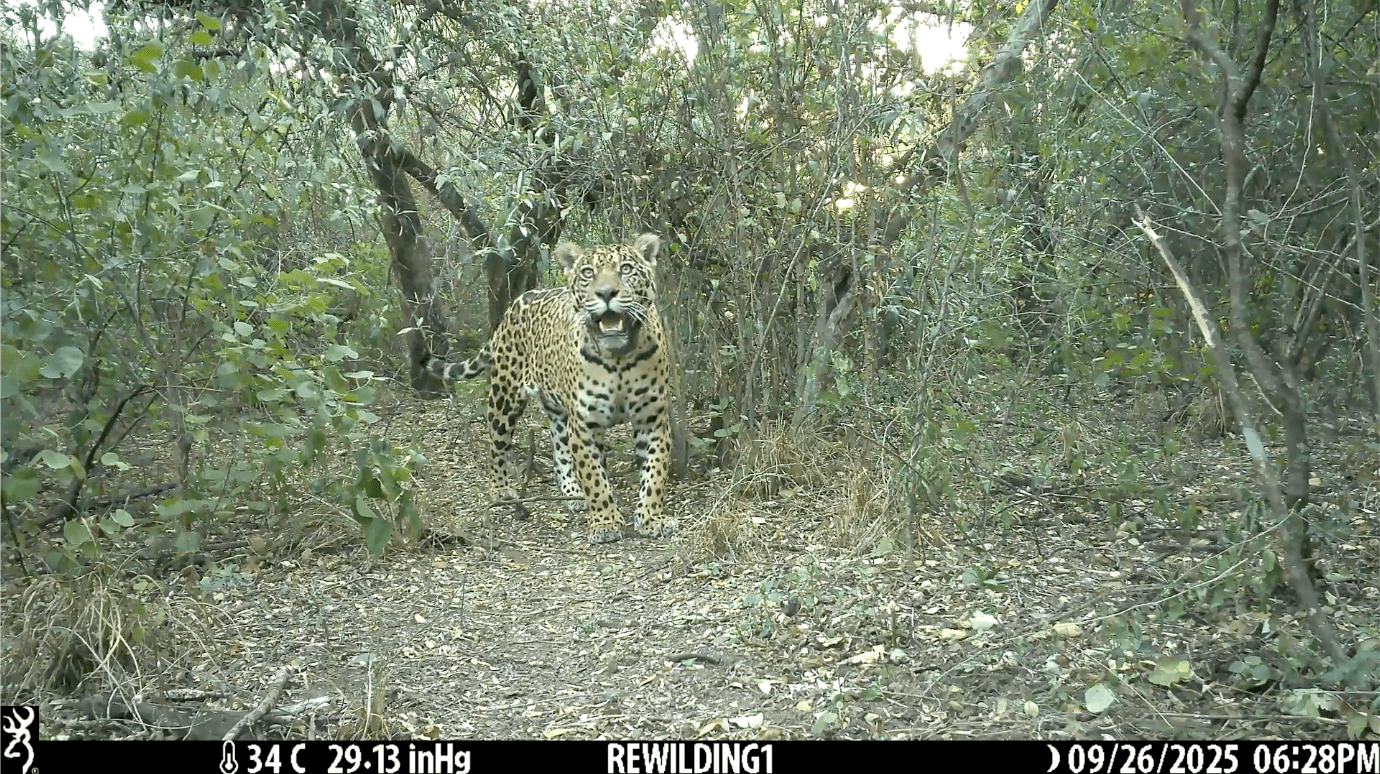
On the 29th of November we celebrated Jaguar’s Day. From the Pantanal to the Atlantic Rainforest, the jaguar has shaped South American landscapes for millennia. As a top predator, it keeps herbivore populations in balance, protects vegetation, and holds entire ecosystems in harmony. And as an umbrella species, its survival demands vast, healthy territories meaning that where jaguars thrive, life around them thrives too. But today, the jaguar has mainly become a fading memory in the great territory it once roamed, with its current range reduced and collapsing at the edges. Its absence has left ecosystems and communities devoid of its guardian, both slowly eroding away.
Acaí’s tragic case reflects the continuing threats wildlife faces due to human negligence, but this time no longer as a silent victim but as an urgent call to action. This is why the Jaguar Rivers Initiative exists. Because jaguars need safe passages: forest, wetland, and river corridors that reconnect landscapes, restore ecological flows, and allow them to disperse, find mates, and reclaim the connectivity they once embodied. The jaguar shows us where the land needs healing. And it leads the way toward mending it back together.
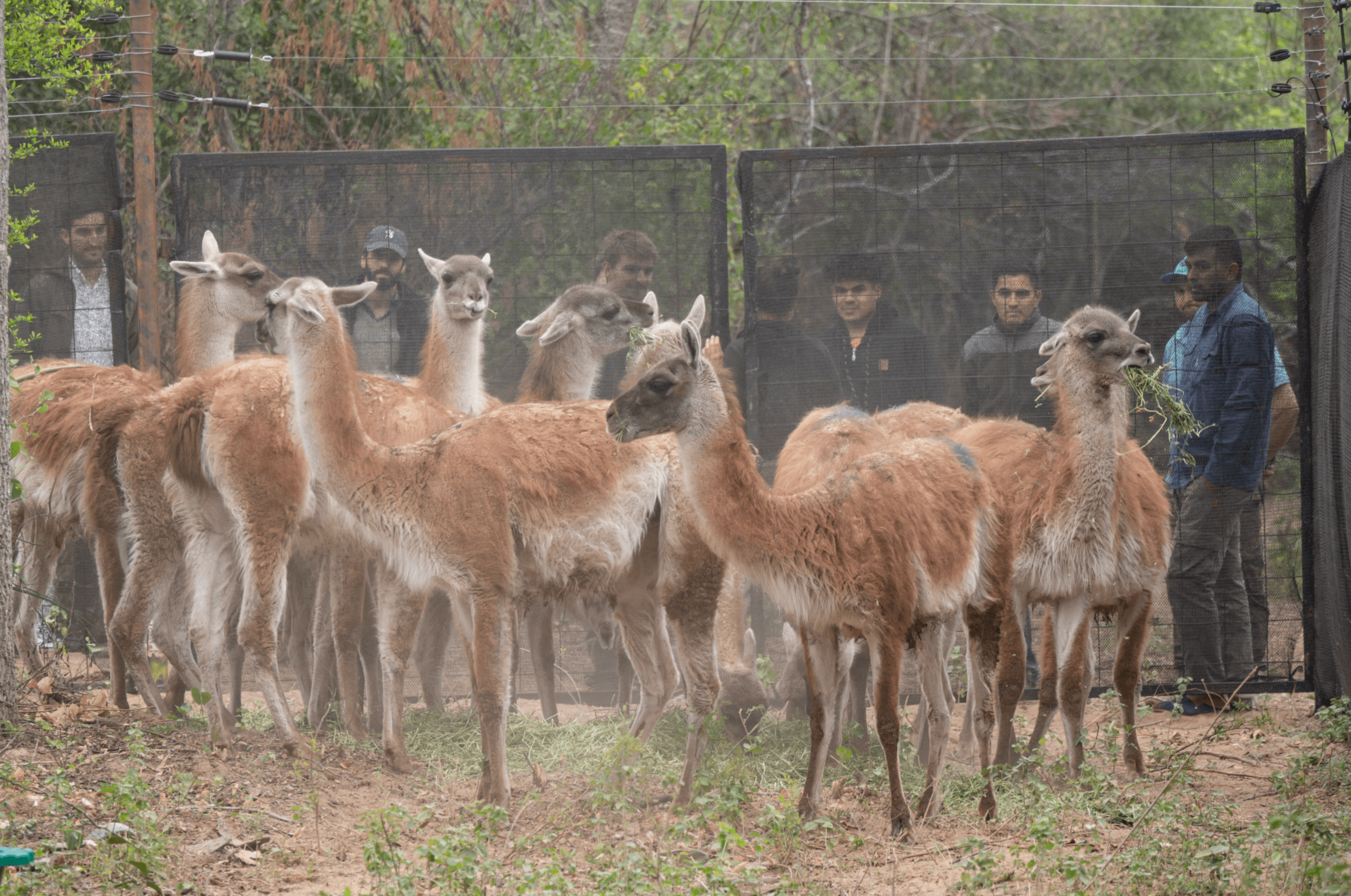
THE RETURN OF THE GUANACO: AFTER MORE THAN A CENTURY OF EXTINCTION IN THE DRY CHACO REGION, GUANACOS ARE REINTRODUCED INTO THE IMPENETRABLE ARK.
This is the result of unprecedented rewilding work and the fruit of years of work, in-depth studies, and collaboration among various civil and governmental organizations. Guanacos inhabit Argentina, Chile, Bolivia, Paraguay, and Peru. As a large herbivore, the guanaco keeps landscapes open, reduces wildfire risk, increases plant diversity, and redistributes nutrients and seeds. Its absence left the Chaco's ecosystems deeply imbalanced. However, they are critically endangered in Bolivia, with only around 300 remaining, and persist in small, isolated populations in Peru and Paraguay, having become locally extinct in Ecuador.
As part of the Jaguar Rivers Initiative strengthening their numbers in the Argentinean Dry Chaco region is a crucial step in joining efforts with those countries where only dwindling populations remain, joined by the Paraná River Basin.
As we say farewell to 2025, rains have arrived, the rivers grow and the forest breathes. The increased flow irrigates the land, nourishes the soil and awakens the dormant inhabitants of the territory. Pools, marshes, and low-lying areas fill, signaling amphibians to begin their singing season. The chorus echoes differently across the waters of The Bermejo, Pilcomayo, Paraguay and Iguazu rivers. Yet they all announce in their polyphony of languages one same ancient welcome: Its summer in the Paraná basin.
A new cycle begins.